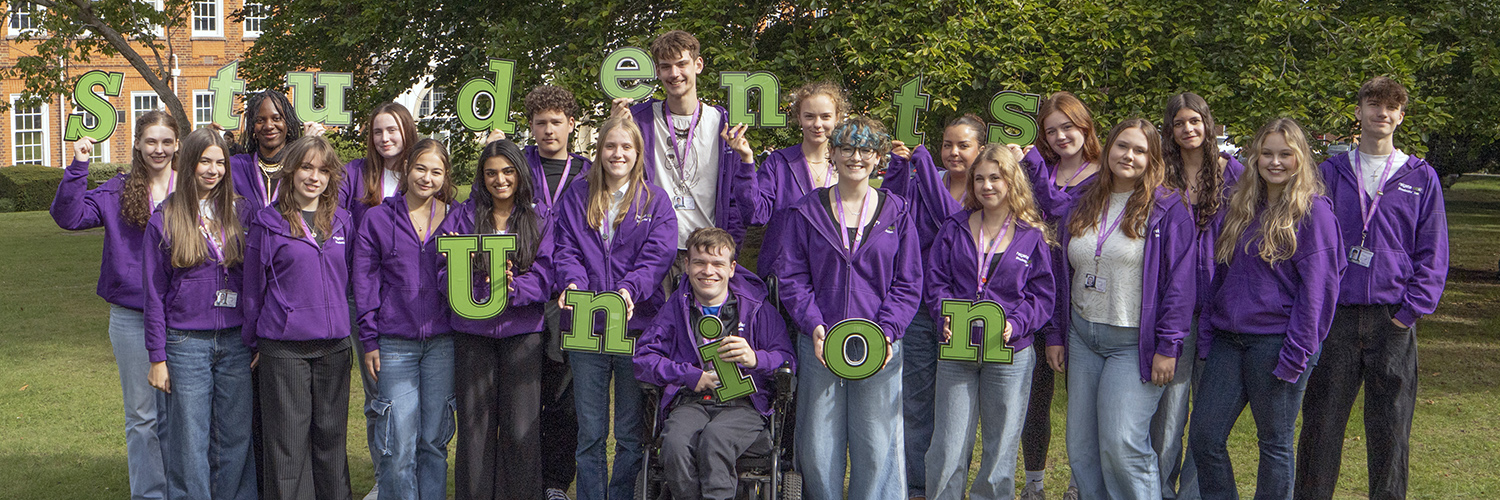
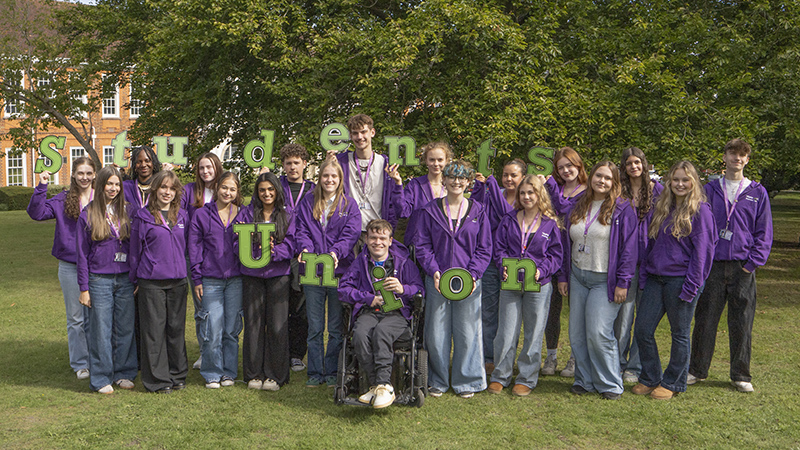
Students have the opportunity to stand for a variety of positions on the SU at the end of their Lower Sixth. Positions range from Union President to Charity Officer, Wellbeing Ambassador and Equality Representative.
The role of the SU is to serve as a channel of communication between students and the College management. It also has members on the Corporation of Governors and the College’s Equality Committee. Its affiliation with the National Union of Students (NUS) means that students have the opportunity to take part in regional and national conferences where key issues are debated and appropriate action agreed.
During the year, the Students’ Union organises the College’s busy social calendar which typically includes: the Freshers’ Party, music and dance events, and various competitions and fund-raising events.
The SU supports a number of local, national and overseas charities including the Wellingara Nursery School in the Gambia.
Reigate College’s Students’ Union is made up of 20 student members. The SU serves as the main link between the College’s senior management team and the student body.
Student officers meet once a week and representatives are regularly invited to attend meetings with the Principal, Deputy Principals and College Governors.
Aims of the Students’ Union
- to strengthen the community spirit within the College
- to promote the College’s position in the local community
- to ensure that students have a voice in the running of the College
The Union’s responsibilities include
- fundraising for charity and extra facilities for students
- raising students’ issues and concerns at College Corporation and College Board meetings
- organising social events, such as the Freshers’ Party
- organising charity and awareness days
Contacting the Students’ Union
The Students’ Union meets every Tuesday at 12 mid day in Room P103 and all students are welcome – subject to space!
Students can get in touch with the SU by emailing studentsunion@reigate.ac.uk
The Union Executive consists of up to 20 student members. Student members are nominated every year, with candidates being selected during the Summer Term.
Available roles include:
President/Joint President, Equality Officers, Events Officers, Charity Officers, Enrichment Officers, Environmental Officers and Wellbeing Ambassadors.
The Student Union Executive for academic year 2025-2026 is:
| Presidents | Gabriella Nairn, Avery Samolczyk |
| Equality Officers | Kacper Borkowski, Tallulah Haley, Olive Nunn |
| Events Officers | Eva Foxwell, Elin Hughes, Barney Kilby, Lily Starkie |
| Charity Officers | Olivia Welby-Everard, Maya Wetherall, Joe Wilby |
| Enrichment Officers | Ella Crawford, Aksa Hidosh, Emily Lewis |
| Environmental Officers | Olly Liddle, Emily Payne, Rosie Skeet |
| Community Officers | Emily Field, Daisy Wells |
The Students’ Union organises a variety of events during the year – from the Freshers’ Party in October to a Christmas Charity Event in December – and the Equality and Community Day usually held in the Summer Term.
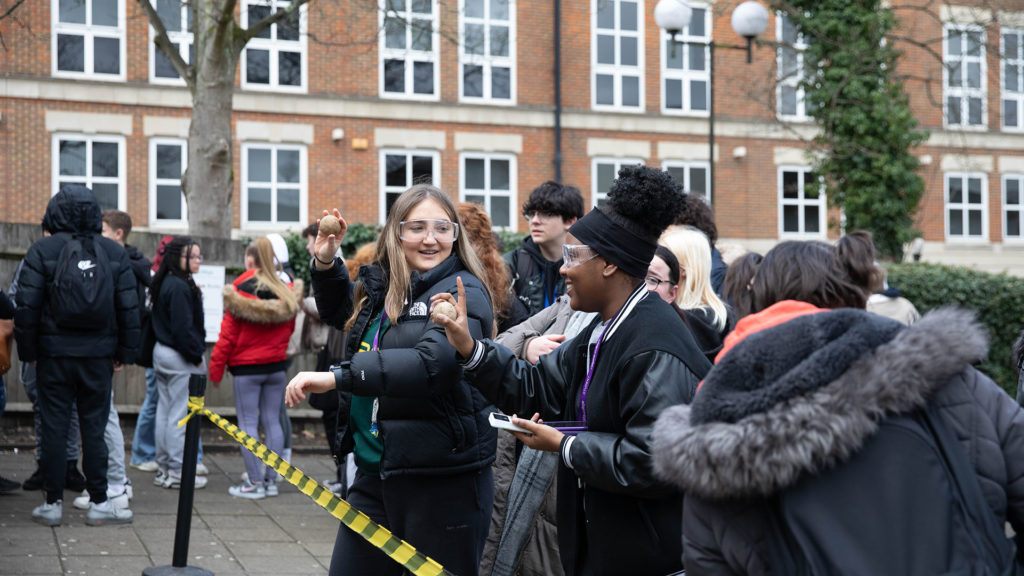


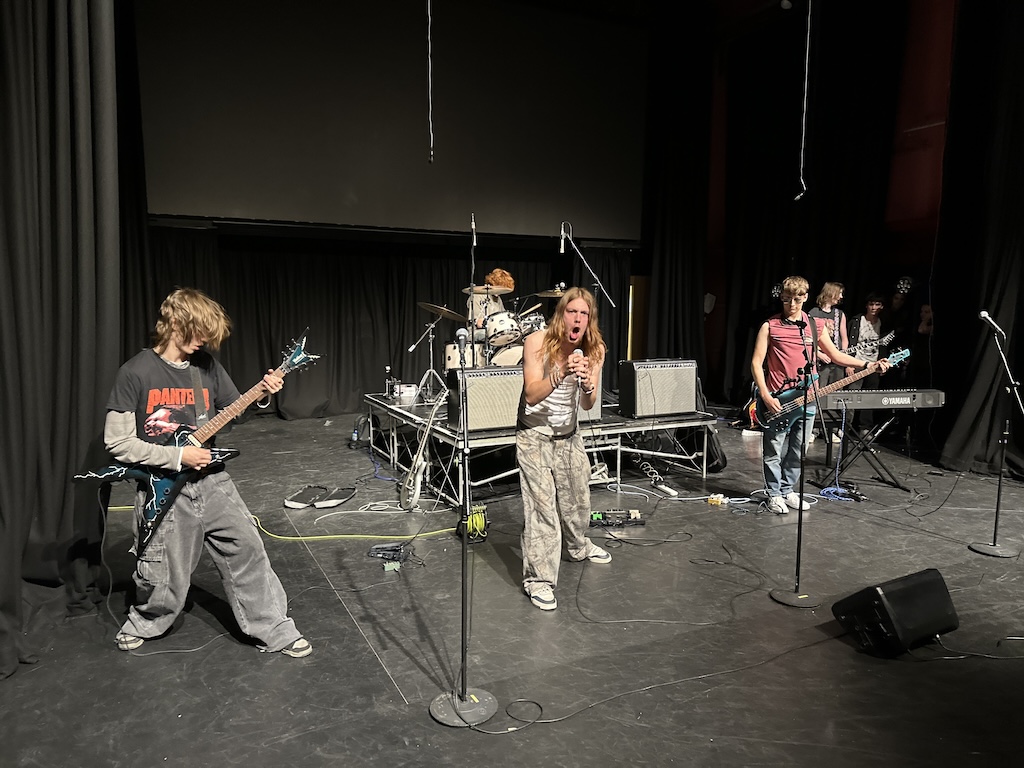

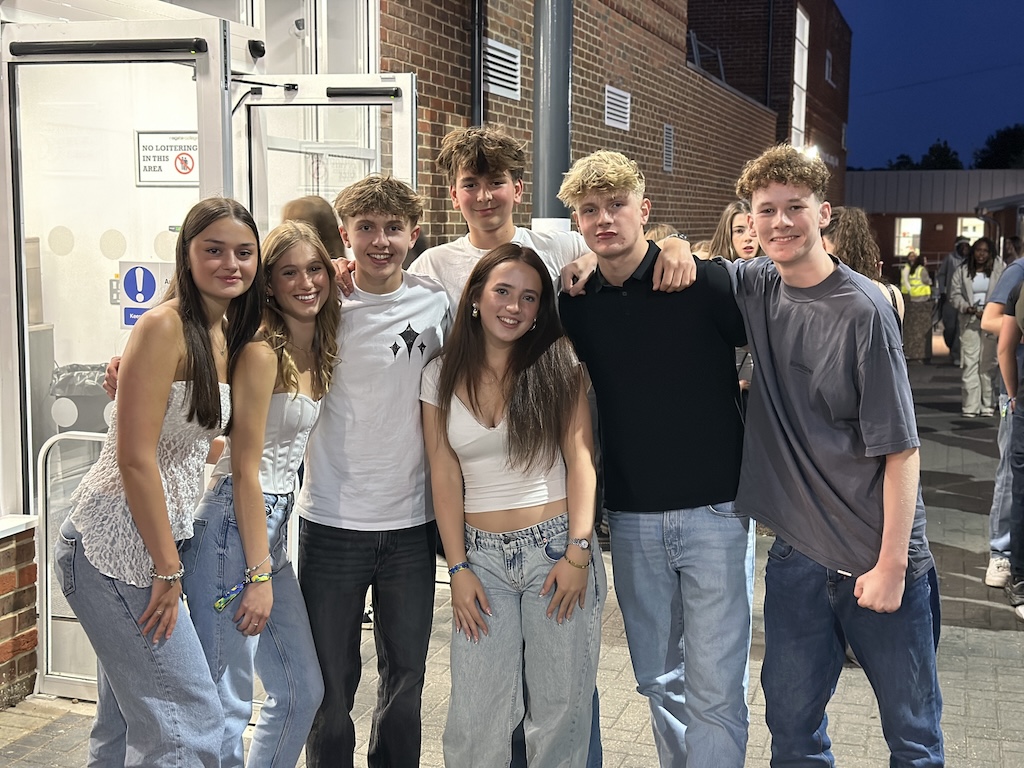
The SU plays a huge role in making the College a ‘supportive and caring community’ by getting students together to have some fun and help raise funds for a range of worthwhile charities (including local, national and international causes).
Please see the College Calendar for the specific dates of what’s coming up this year.
In 2009 the College set up a new fundraising initiative, The Gambian School Appeal establishing a link with Wellingara Nursery School in the Gambia. Donations of clothes and computers are now made on an annual basis and the SU takes a lead role in raising funds to help with the on-going improvement of the school’s facilities and equipment.
The College has a long term charitable commitment to the Wellingara Nursery School in the Gambia.

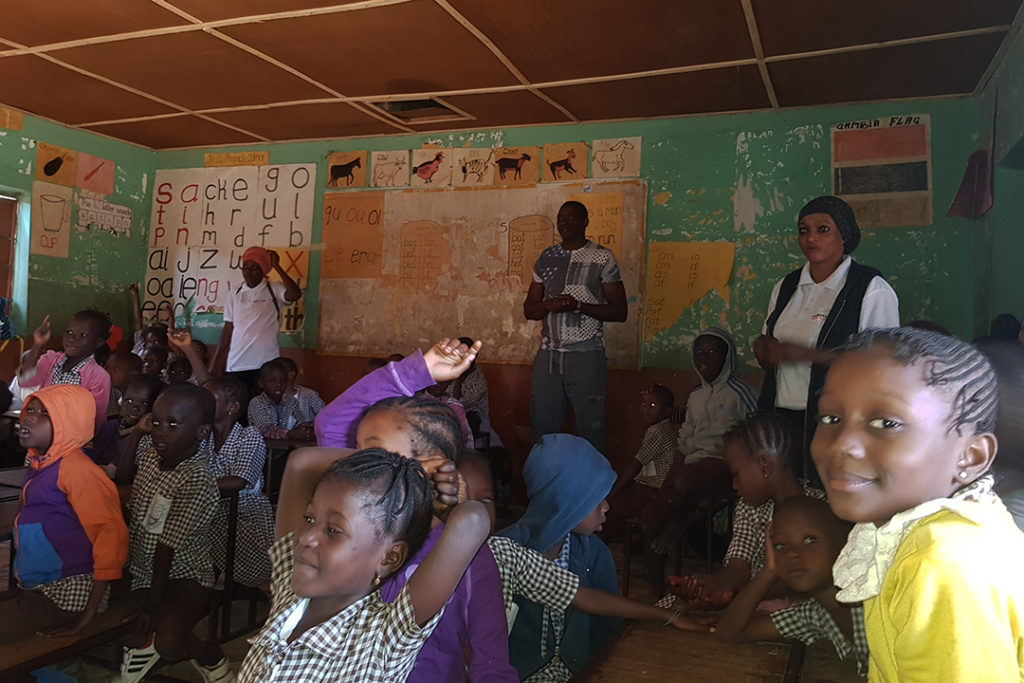

Since the link was established, the Students’ Union has raised significant funds for the nursery school.
These funds have been spent on:
- the training of new teaching staff
- much-needed play equipment
- the refurbishment of the school, plus the building of a new sheltered area.
The College also organises an annual collection of second-hand computers and good quality clothes that are used by the school and local villagers.
Education is free for children aged 8 and above in the Gambia, but many schools will not accept children who’ve not had a formal primary-school education. For this reason, a huge number of children end up with no education at all, as many families simply can’t afford to pay for their children’s initial education.